The Pause Tool: A 60-Second Nervous System Reset for Conscious Leaders
“Between stimulus and response there is a space. In that space is our power to choose our response.” — Viktor Frankl
If you’ve ever said something in stress you wanted to reel back the second it left your lips, you’ve met your nervous system up close. In my work with conscious leaders, I teach a simple, body-first practice I call The Pause Tool—a 60-second reset that helps me shift from reactive to responsive. It’s vagus-nerve–friendly breathing paired with awareness, and it changes meetings, conflict, and my inner weather in under a minute.
Key Takeaways
Self-regulation is self-leadership. If I can regulate my body, I regain choice.
The Pause Tool = 4 steps: Notice → Name → Breathe (4/6) → Reorient.
Vagus-nerve exhale (longer out-breath) is a fast lane to calm.
From reactivity to presence: I create psychological safety when I’m grounded.
Make it daily. Micro-practices build sustainable transformation, not willpower sprints.
Why I Start with the Body (Not Just the Mind)
Under stress, my survival system (fight/flight/freeze/fawn) narrows focus and speeds me up. That’s useful for danger—not for leadership. Mindset alone can’t override a hijacked body. Nervous system literacy gives me a dashboard: I notice the signals (tight jaw, hot chest, shallow breath) and use a short protocol to return to presence. Only then do my best words, boundaries, and decisions come back online.
Try this: In your next tense meeting, slow your breath (4-count in, 6-count out), unclench your jaw, and feel your feet on the floor. Say less. Notice more. Presence shifts the room.
What the Pause Tool Is (and Why It Works)
The Pause Tool is a one-minute practice designed to interrupt the stress spiral:
Notice – Where is the sensation? (throat, chest, gut, jaw)
Name – “I feel anxious/angry/overwhelmed.” (naming moves activity toward the prefrontal cortex)
Breathe – Inhale 4, exhale 6 (longer exhale stimulates the vagus nerve, cueing calm)
Reorient – Feel feet on the floor, the chair’s support, sounds in the room (signal of safety)
This isn’t “woo”—it’s body-based leadership. When I extend my exhale, heart rate and muscle tension drop. My attention widens. Choice returns.
A 60-Second Walkthrough
Set a timer for 60 seconds and try it with me:
Inhale 1-2-3-4…
Exhale 1-2-3-4-5-6…
As you breathe, place a hand on your chest or belly. Find the most noticeable sensation; silently name it. On each exhale, imagine your shoulders settling and your jaw softening. On the final breath, feel your feet and look gently around the room. Notice the shift—often subtle, always real.
Where This Changes the Game at Work
High-stakes conversations: I pause before answering, then choose clarity over defensiveness.
Team tension: My calm co-regulates the room; psychological safety rises.
Decision fatigue: Two cycles of 4/6 breathing expand perspective so I stop choosing from fear.
Email triggers: One minute of pause → a response I can stand behind tomorrow.
Make It Stick (Sustainable Transformation)
Transformation isn’t thinking different; it’s choosing different—often. I build structure so the Pause Tool becomes automatic:
Habit anchor: Before every meeting, one 4/6 cycle. After every meeting, one 4/6 cycle.
Visual cue: “Pause → Breathe → Choose” on my monitor or notebook.
Language upgrade: “I need a moment to gather my thoughts.” (safety phrase that buys time)
Weekly review: Where did I react? What helped me respond? What micro-adjustment will I run this week?
Practice the Pause Today
Right now, pick one moment you know tends to trigger you—Monday stand-up, a certain email thread, the commute. Commit to a single 60-second Pause before the next occurrence. Notice what changes when you lead your body first. If you want help integrating nervous system literacy into how you lead and live, let’s talk. We’ll design simple structures so calm becomes your default—not a lucky accident.
Pause. Breathe. Respond. Lead.
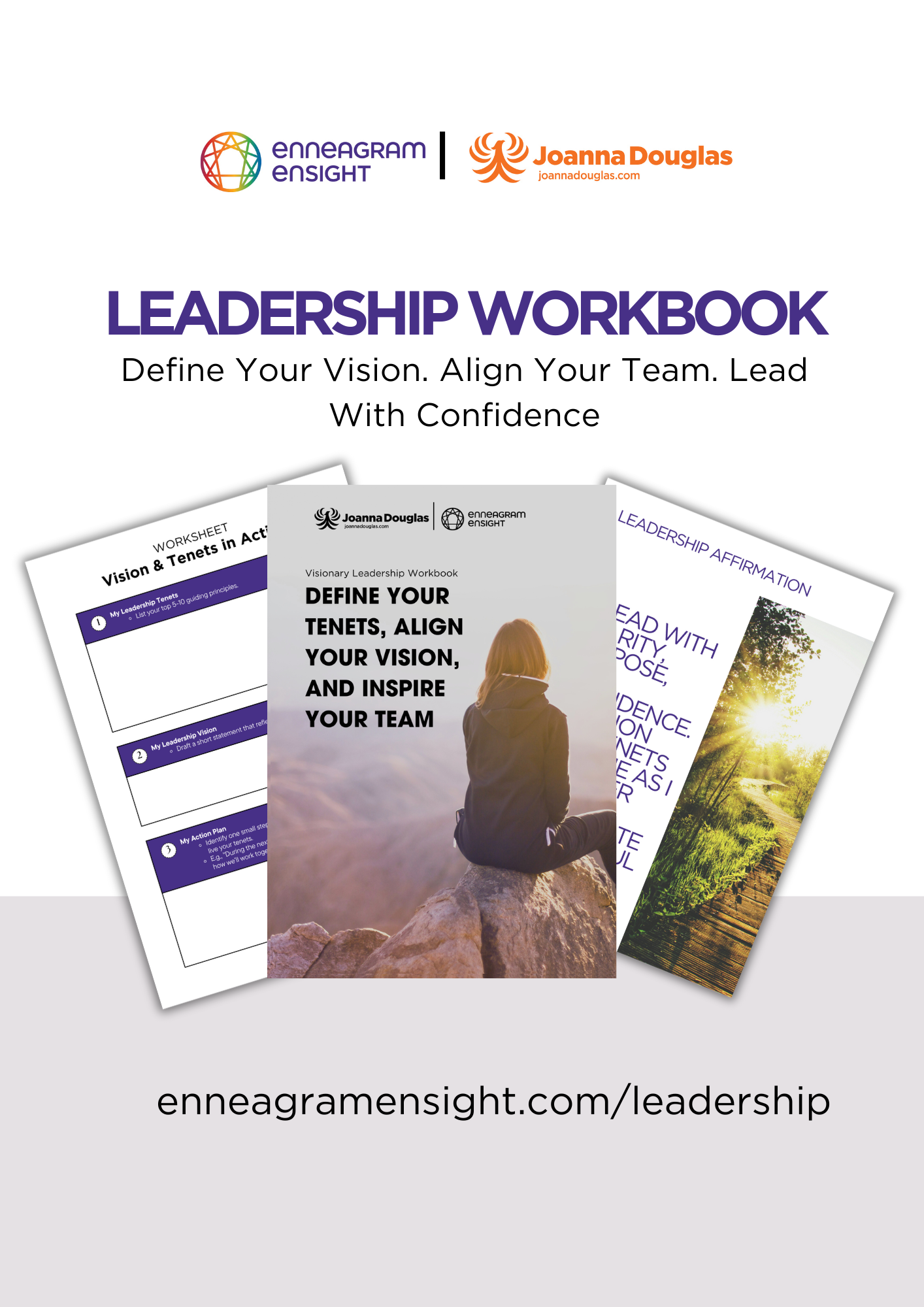
Download the Leadership Workbook and start leading with clarity, confidence, and purpose.
They’re the backbone of self-leadership and the antidote to depletion.
Until we connect again, I hope you have a powerful day.